Rising electricity bills in Pakistan have made solar energy one of the most practical long-term investments for homeowners and businesses. With continuous tariff increases and frequent power shortages, many people are now exploring how much a solar system costs and how much they can actually save.
Understanding solar costs and potential savings helps you make a smart financial decision.
Understanding Solar System Costs in Pakistan
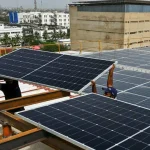
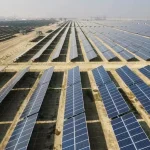
The total cost of a solar system depends on system size, equipment quality, and installation type. Residential systems commonly range between 3kW and 10kW, while commercial setups may go much higher.
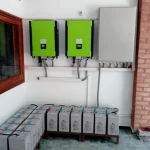
Several factors affect overall pricing, including the quality of solar panels, inverter type, mounting structure, wiring, and installation charges. Hybrid systems with battery storage cost more than on-grid systems because they include backup power solutions.
Although the initial investment may seem significant, solar systems are designed to last more than 25 years, making them a long-term asset rather than an expense.
Factors That Influence Solar Pricing
Panel efficiency plays a major role in cost. High-efficiency monocrystalline panels typically cost more but generate better output, especially in hot weather conditions like those in Pakistan.
Inverter technology also impacts pricing. Hybrid inverters with smart monitoring features are more advanced and slightly more expensive than basic on-grid inverters.
Battery storage is another key factor. Lithium-ion batteries increase upfront cost but provide reliability during load shedding and night-time usage.
Installation quality and professional system design are equally important. A properly installed system performs better and reduces maintenance issues in the long run.
How Much Can You Save with Solar?
Solar savings depend on your monthly electricity consumption and system size. Most homeowners experience a significant reduction in electricity bills after switching to solar energy.
With net metering, any excess electricity produced during the day can be exported back to the grid. This further lowers monthly utility costs and improves overall return on investment.
In many cases, residential solar systems recover their cost within three to four years, depending on usage and tariff rates. After that period, the electricity generated is essentially free for the remaining lifespan of the system.
Long-Term Financial Benefits
One of the biggest advantages of solar energy is protection against rising electricity prices. Once your system is installed, your dependence on utility companies decreases significantly.
Solar systems also increase property value. Homes equipped with solar installations are often more attractive to buyers due to lower running costs.
Maintenance costs are generally low, as solar panels require only periodic cleaning and basic system checks to maintain optimal performance.
Is Solar Worth the Investment?
For most households and businesses in Pakistan, solar energy is a financially sound decision. With increasing electricity tariffs and improved net metering policies, solar power provides both immediate savings and long-term stability.
The key is choosing high-quality equipment and professional installation to ensure maximum efficiency and durability.
Switching to solar energy is not just about reducing bills — it is about securing energy independence and building a sustainable future.