Solar energy is becoming one of the fastest-growing sources of electricity in Pakistan. With rising electricity tariffs and increasing power demand, many households and businesses are turning toward solar systems as a reliable and cost-effective solution. To regulate this growing trend and support renewable energy development, the Government of Pakistan has introduced several policies and regulatory updates related to solar power.
These policies aim to encourage clean energy adoption while maintaining stability in the national power grid. Understanding these government regulations can help homeowners, businesses, and investors make informed decisions when installing solar systems.
Pakistan’s Renewable Energy Vision
The government of Pakistan has set long-term goals to increase the share of renewable energy in the national power mix. Solar energy plays a major role in achieving these targets because Pakistan receives abundant sunlight throughout the year.
Through renewable energy policies, the government aims to:
- Reduce dependence on imported fuels
- Lower electricity generation costs
- Promote environmentally friendly power generation
- Encourage private investment in renewable energy
These initiatives have helped accelerate the growth of solar energy projects across the country.
Role of NEPRA in Solar Regulations
The National Electric Power Regulatory Authority (NEPRA) is responsible for regulating Pakistan’s electricity sector. NEPRA creates rules and guidelines related to electricity generation, distribution, and renewable energy integration.
For solar energy systems, NEPRA regulates:
- Licensing and regulatory approvals
- Grid connectivity rules
- Electricity tariffs and billing mechanisms
- Technical standards for renewable energy systems
These regulations ensure that solar installations operate safely and efficiently within Pakistan’s power infrastructure.
Government Support for Solar Energy
To promote solar energy adoption, the government has introduced several initiatives that make solar systems more accessible to the public.
Some of the key supportive measures include:
Tax Incentives for Solar Equipment
Many solar products such as solar panels, inverters, and related equipment have been given tax exemptions or reduced import duties. This helps reduce the overall cost of installing solar systems.
Encouraging Private Solar Projects
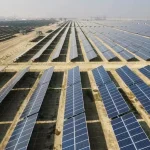
The government allows private companies and investors to develop solar power plants and renewable energy projects across the country.
Solarization of Public Infrastructure
Several government buildings, schools, hospitals, and public facilities are now being powered by solar energy systems. This helps reduce electricity costs for government institutions.
Solar Energy Growth in Pakistan
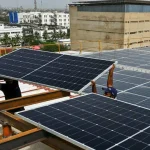
Solar energy adoption has increased rapidly in Pakistan over the past few years. Many residential areas, commercial buildings, and industries are installing rooftop solar systems to reduce their electricity expenses.
Cities such as Lahore, Karachi, Islamabad, Faisalabad, and Multan have witnessed significant growth in solar installations.
The declining cost of solar panels combined with rising electricity prices has made solar systems a practical solution for long-term energy savings.
Challenges Facing the Solar Sector
Although solar energy adoption is increasing, the sector still faces several challenges that government policies aim to address.
Some of these challenges include:
- Integration of solar power into the national grid
- Maintaining stability in electricity distribution networks
- Managing financial sustainability of power companies
- Ensuring proper regulation of solar installations
Government policies are continuously evolving to address these issues while supporting renewable energy development.
Future Government Plans for Solar Energy
Pakistan’s energy sector is expected to continue expanding its renewable energy capacity in the coming years. Government policies are likely to focus on:
- Increasing solar energy production nationwide
- Supporting battery storage technologies
- Encouraging local manufacturing of solar equipment
- Improving grid infrastructure for renewable energy integration
These developments will help Pakistan move toward a more sustainable and energy-independent energy system.
Conclusion
Government policies play a vital role in shaping the future of solar energy in Pakistan. Through regulatory frameworks, incentives, and renewable energy initiatives, the government is encouraging the adoption of solar power across residential, commercial, and industrial sectors.
As electricity costs continue to rise, solar systems are becoming an increasingly attractive option for consumers looking for reliable and affordable energy solutions. Staying informed about government policies will help individuals and businesses make better decisions when investing in solar energy.