Pakistan’s energy market is undergoing a major transformation as rising electricity prices and frequent power shortages push consumers toward alternative energy solutions. Solar power has emerged as one of the fastest-growing energy sources in the country. A key factor behind this rapid growth is the net metering policy, which allows consumers to export excess solar electricity to the national grid.
Over the past few years, solar installations in Pakistan have increased significantly, making rooftop solar systems a growing trend in the country’s energy market.
Rising Demand for Solar Energy
The demand for solar energy in Pakistan has increased rapidly due to high electricity tariffs and unreliable grid supply. Residential users, commercial businesses, and industries are increasingly investing in solar systems to reduce their dependence on traditional electricity sources.
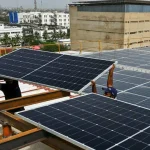
Many households are now installing 5kW to 15kW solar systems, while large commercial facilities are installing even bigger systems to manage their electricity costs.
Role of Net Metering in the Solar Market
Net metering has played a major role in accelerating solar adoption. Under this system, solar users can export excess electricity generated by their solar panels to the grid and receive credits on their electricity bills.
This policy is regulated by the National Electric Power Regulatory Authority, which introduced net metering regulations to encourage renewable energy generation in the country.
The availability of net metering has made solar systems more financially attractive for consumers.
Policy Changes and Market Adjustments
Recently, the government introduced discussions around shifting from traditional net metering to a net billing system. Under the updated framework, exported electricity may be purchased at a different rate compared to the retail electricity tariff.
These policy discussions have created significant debate within Pakistan’s solar industry. While some experts believe the changes are necessary for maintaining grid stability, others argue that they could slow down the rapid growth of rooftop solar installations.
Despite these changes, solar energy continues to remain one of the most attractive investments in the country’s energy market.
Impact on the Energy Market
The expansion of solar power and net metering has had a noticeable impact on Pakistan’s energy landscape. Some of the key trends include:
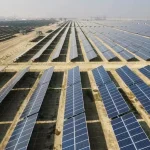
- Rapid growth in rooftop solar installations
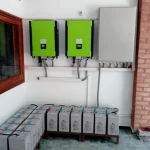
- Increased demand for hybrid and on-grid solar systems
- Greater awareness of renewable energy solutions
- Rising competition among solar installation companies
As more consumers adopt solar technology, the energy market is gradually shifting toward decentralized power generation.
Future Outlook for Solar Energy in Pakistan
Experts believe that solar energy will continue to play an important role in Pakistan’s energy future. With abundant sunlight and increasing electricity prices, solar power remains a practical and sustainable energy solution.
The government is also expected to continue updating renewable energy policies to balance solar growth with grid stability.